If you had created something, a piece of art, for example, that was subsequently altered by others in ways that you disapproved, would you want that object preserved?
Art by Committee
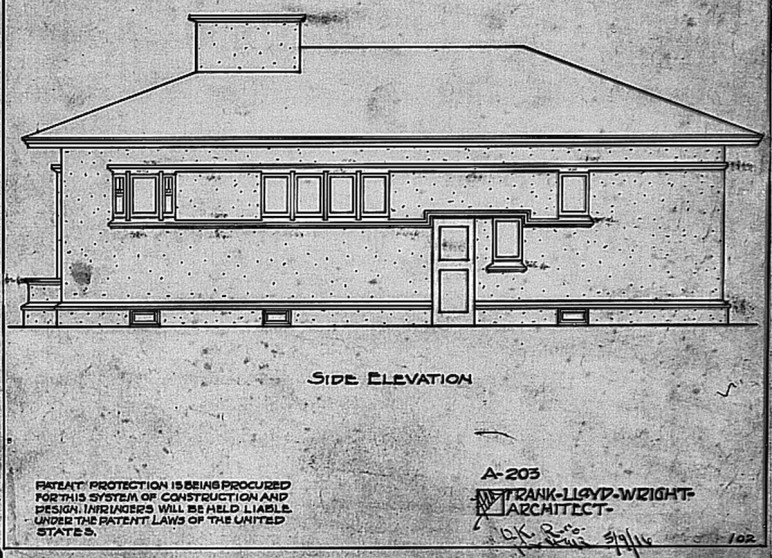
If you had created something, a piece of art, for example, that was subsequently altered by others in ways that you disapproved, would you want that object preserved?

Through features like the Place of Greeting, we can see that Wright assumed that working-class people - the people with modest means who would live in and visit his ASBH designs - were inherently kind, trusting and trustworthy.

We bought Frank Lloyd Wright's Elizabeth Murphy House with a plan to restore and care for her, but quickly discovered a curious and unexpected form of stewardship. Like nuns in a 19th century orphanage, we find ourselves caring for the forsaken.
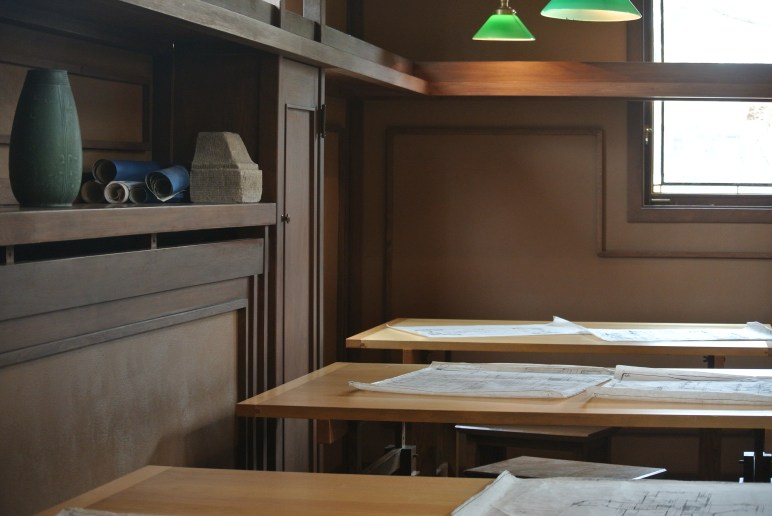
Antonin Raymond and Rudolph Schindler escaped Frank Lloyd Wright's wrath when the American System-Built Program was summarily cancelled and covered up in 1917. Russell Barr Williamson did not.
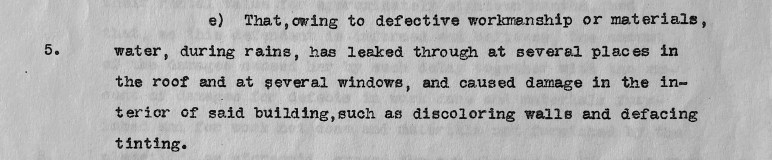
It is not a spoiler alert to say that after Frank Lloyd Wright sued Richards and cancelled the ASBH program in 1917, Richards and Williamson continued designing and selling Prairie Style homes around Milwaukee. Distinguishing those homes from Wright's ASBH work can be difficult. Here is a clue.

Wright and Richards were exploring ways to ensure quality while lowering costs in the American System. So cabinet doors were built of "ply" fifteen years before "plywood" became a thing.

It can seem strange to think of a Frank Lloyd Wright dwelling as a standard product - something that could be built with interchangeable parts and pieces - but American System-Built Homes were exactly that. One of those pieces was Byrkit Lath.
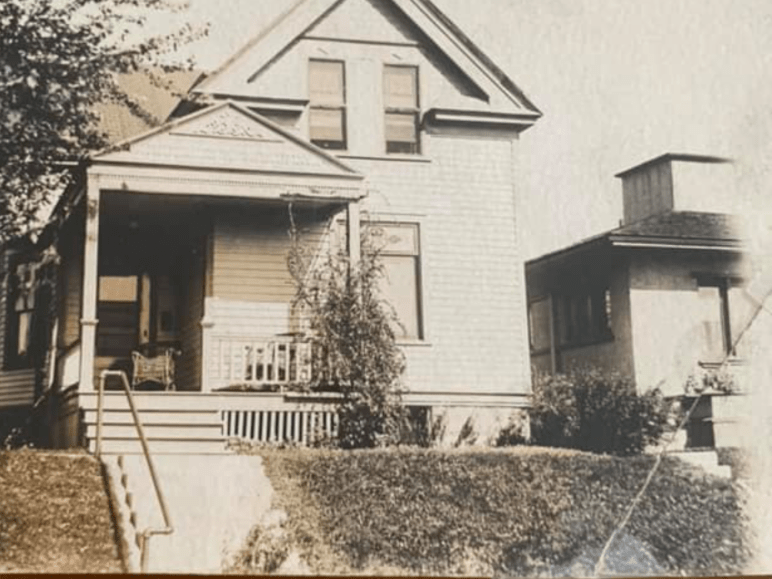
Wright's statement chimney was meant to welcome a visitor like a smoke signal emerging from the heart of the house and saying, "we're home, it's warm in here, and you're invited." But in 1918, it leaked.

A group of ASBH owners have been meeting and collaborating in the last few years (first physically and then virtually), sharing ideas, tours, parts and pieces and pictures to study, and have even been purchasing materials for renovations in bulk to ensure affordability and continuity. Six of the homes are represented!
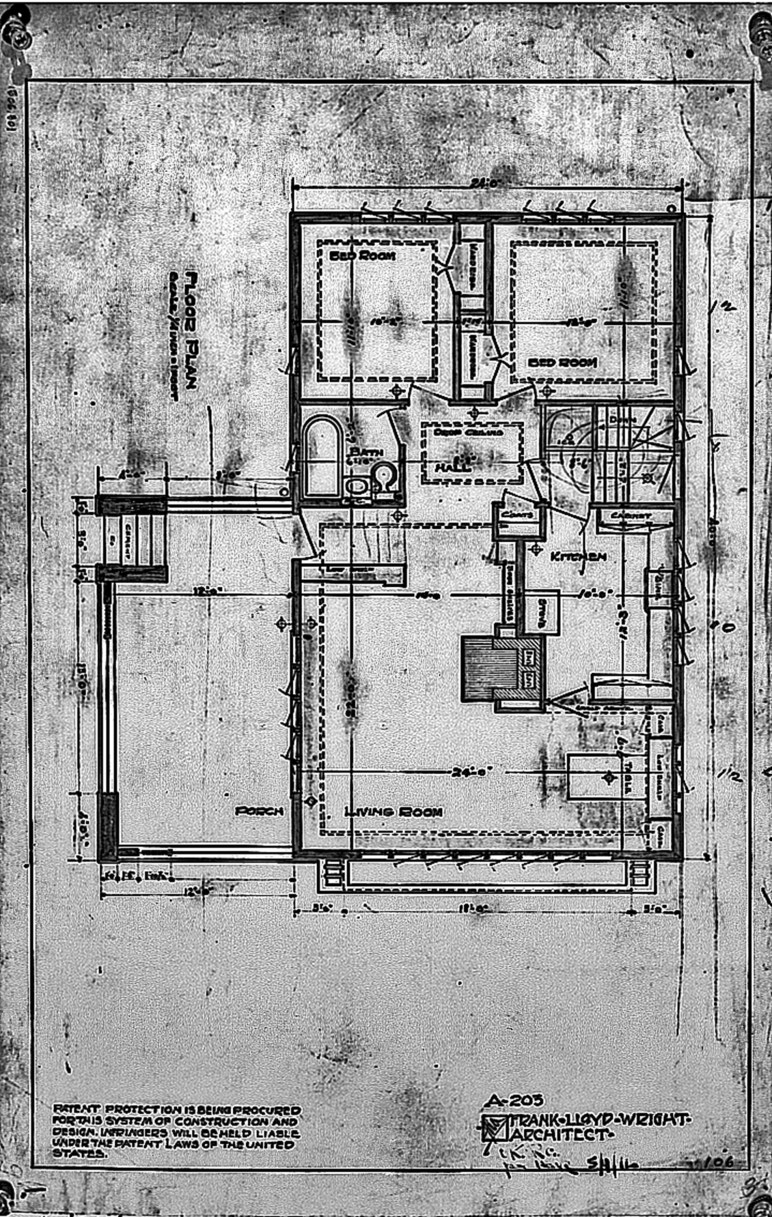
To make the main living space behave much larger, Frank Lloyd Wright designed an open and flexible floor plan that could be reconfigured for a special occasion, like a holiday party.
 The Elizabeth Murphy House