A vintage wash basin for Frank Lloyd Wright’s water-closet

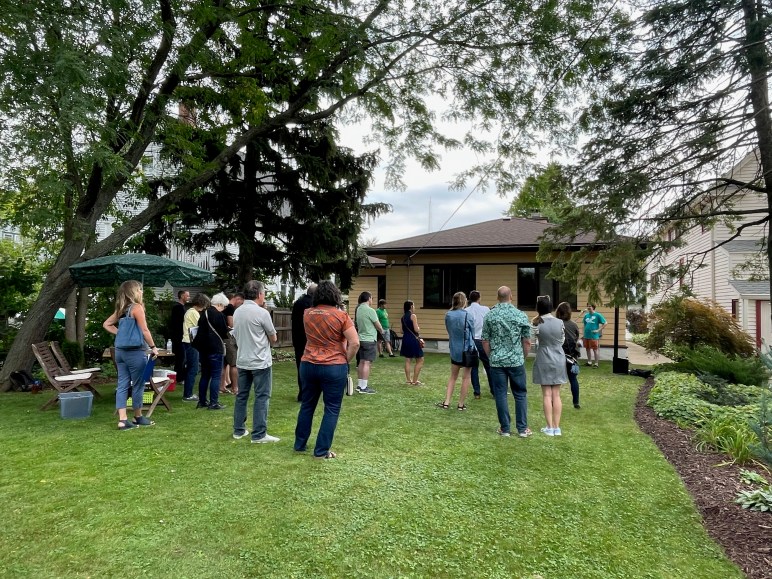
In a way, our quest to preserve this tiny home is like time travel. We want to understand what Frank Lloyd Wright intended at the time he intended it.

What We Can Learn About Historic Preservation from Frank Lloyd Wright

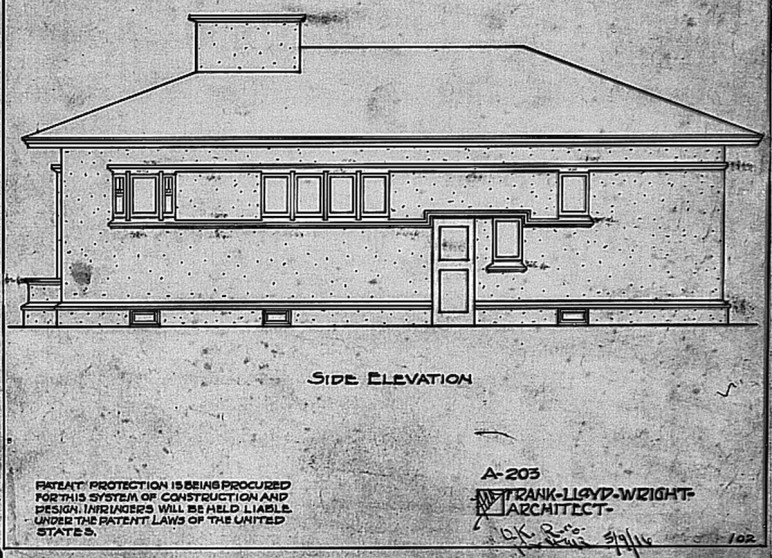
Though Wright designed over a hundred modest American System-Built Homes he quickly cancelled the program with only twenty or so built and filed away the drawings forever when he realized that his art would not be preserved if its occupants didn't themselves participate in the preservation.

Frank Lloyd Wright assumed that we would be kind to each other

Through features like the Place of Greeting, we can see that Wright assumed that working-class people - the people with modest means who would live in and visit his ASBH designs - were inherently kind, trusting and trustworthy.

Caring for the Forsaken

We bought Frank Lloyd Wright's Elizabeth Murphy House with a plan to restore and care for her, but quickly discovered a curious and unexpected form of stewardship. Like nuns in a 19th century orphanage, we find ourselves caring for the forsaken.

Three contemporaneous Wright draftsmen, three fates

Antonin Raymond and Rudolph Schindler escaped Frank Lloyd Wright's wrath when the American System-Built Program was summarily cancelled and covered up in 1917. Russell Barr Williamson did not.

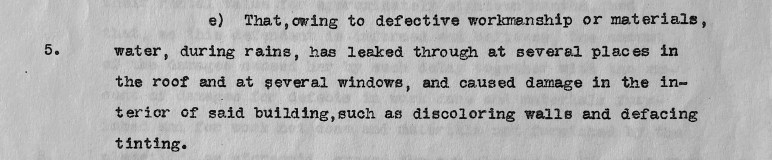
Correcting a Wrightian mistake – but at a cost

It is not a spoiler alert to say that after Frank Lloyd Wright sued Richards and cancelled the ASBH program in 1917, Richards and Williamson continued designing and selling Prairie Style homes around Milwaukee. Distinguishing those homes from Wright's ASBH work can be difficult. Here is a clue.

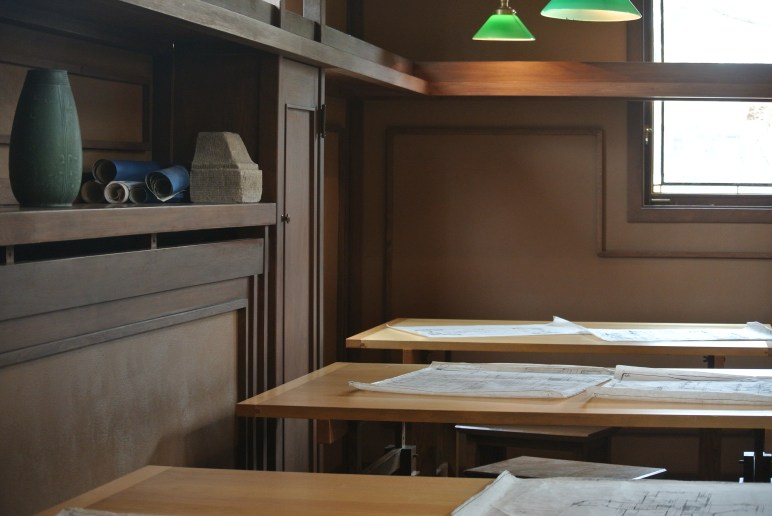
Plywood in a Wright-designed American System-Built Home, before “plywood” was a thing

Wright and Richards were exploring ways to ensure quality while lowering costs in the American System. So cabinet doors were built of "ply" fifteen years before "plywood" became a thing.